
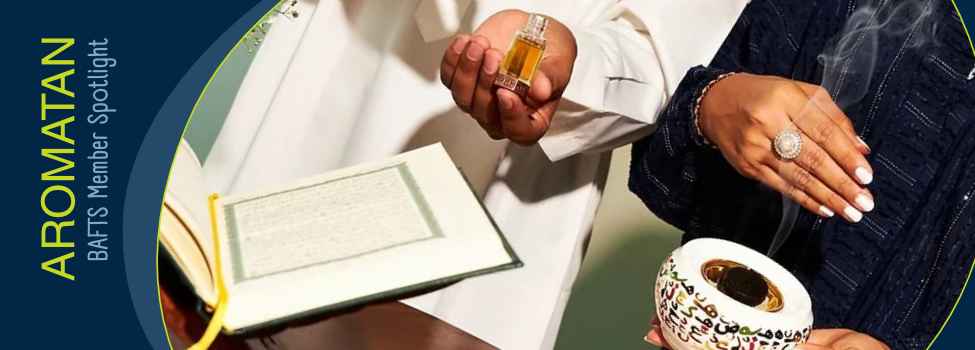
Have you heard of ‘oud’ or ‘bakhor’ before? Maybe not, but for Aromatan, who specialise in fair trade scents, these alluring ingredients are the foundations of many of their products. While a relatively new member to BAFTS, Aromatan has a long and enchanting family history, with it’s Yemeni roots. Taha Nahbee, Aromatan’s co-founder, takes us on a fragrant journey across generations and continents as he explains the origin story of the brand and the careful consideration that goes into every perfectly perfumed product.
The Aromatan family tree
Aromatan is the official BAFTS member but it sits behind Dukhni and Aromafume. Can you explain that family tree?
Aromatan is the family company. Dukhni and Aromafume are its two brands, each speaking to a different person.
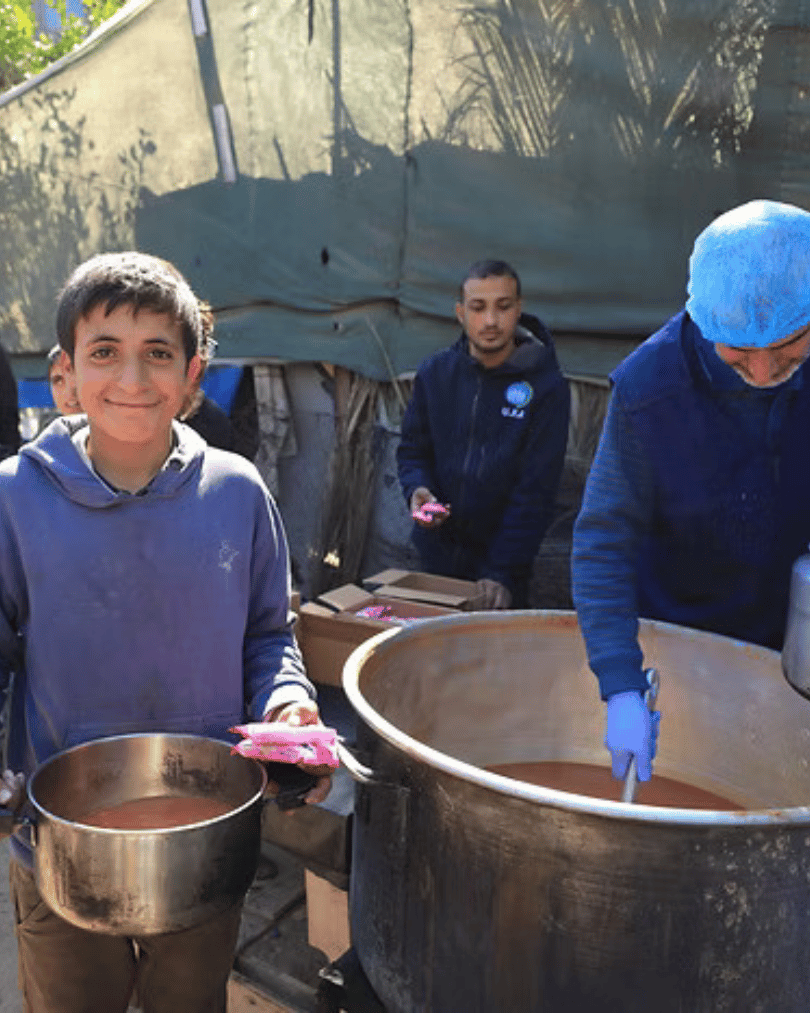
Dukhni (“Islamic Scents of Arabia”) is an Islamic perfumery house: bakhoor, attar oils, oud, mist sprays and burners. Most Dukhni customers grew up with these scents, or with an aunt who came home from Umrah carrying them. The brands purpose is upliftment, and we’ve brought that to life with the Dukhni Amal Project which contributes to causes related to education, food, water and abject poverty across the Islamic World.
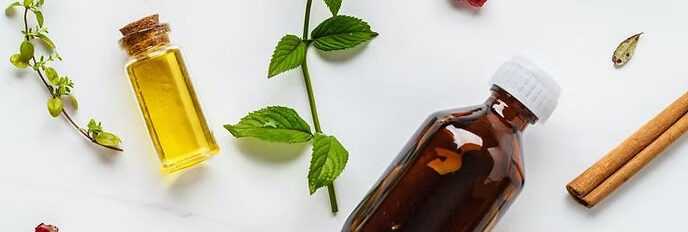
Aromafume creates scents for wellbeing, mindfulness, meditation & spirituality. We offer consumers a highly sophisticated natural aromatic experience with pure resins, woods and botanical oils. Aromafume’s purpose is to alleviate over harvesting of natural materials.
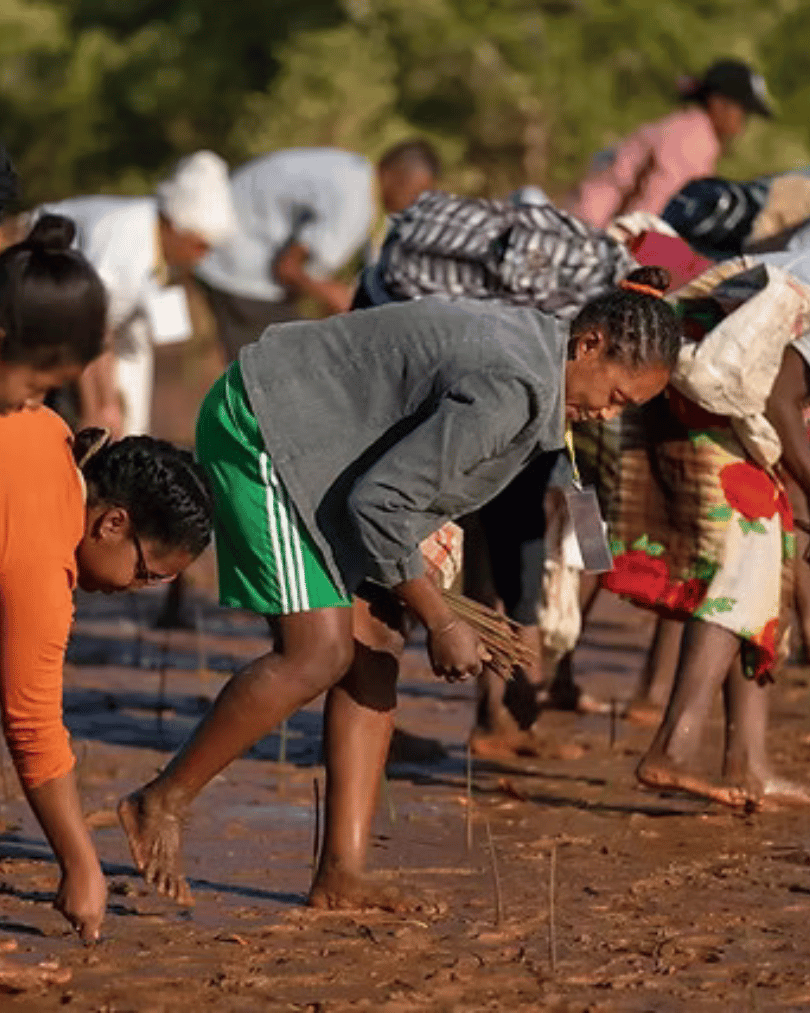
We have launched the Aromafume Earth project dedicated to contributions in reforestation, sustainable harvesting of aromatic materials and providing technology and support where opportunity to create a greener tomorrow is most available.
In 1907 our founder’s great grandmother was blending essential oils and incense at home in Aden. Today Aromatan UK runs both brands in the UK. As a group Aromatan has employees in the US, UK & India.
Heritage ingredients
Dukhni draws on Islamic-Arabic perfumery heritage – where do the raw materials and craft knowledge behind it actually come from?
The knowledge for the brand has evolved from Aden, Dubai, Saudia Arabia & Oman – these locations are all part of our families growth journey. The materials we source come from India, Africa, South East Asia but we are increasingly experimenting with newer scent profiles and alternative natural sources of fragrance.
Aden sat on the old Incense Route, the port where frankincense, spices and fragrant woods passed between Arabia, Africa and India. Our ancestors traded those goods, then started burning them at home in their own blends. Adeni households were known for bakhoor, and recipes passed between generations of women in the same family. Ours did too, and many Dukhni bakhoor blends follow our ancestral traditional recipes and are still made in small batches.
In 1979 the family travelled from Yemen retracing those trade routes and rebuilding a business. Over the years the map grew to more than 43 countries for learning and growing, teachings from herbalists, healers and perfumers about how each culture uses scent. Today we are modernizing but hold prized and dear what has been passed down and stood the test of time.
Joining BAFTS at ths stage
You’re five generations into a perfumery family business but only new to BAFTS – what made you seek out a fair trade network at this stage of Aromatan’s growth?
We’ve always had a long term, fair trade view to how we operate the business. We appreciate the values, and we wanted people who would hold us to them, and formalize the spirit of free trade. We were happy to identify Bafts for this.
For most of our history, fair dealing was simply how the family traded. You bought frankincense from the same people every season, and you paid them properly or there was no next season. As we grew online and into four countries, that handshake knowledge needed a structure. We published a supplier code of conduct and a fair trade commitment built on the 10 Principles of Fair Trade. Writing it down is the easy part. We do want to do more to showcase how doing things the right way is good for business. We are keen to take our commitment forward with more endorsements, perhaps a B corp certification, and more fair trade association memberships as we believe in doing our share for a better tomorrow. We’d like to get into more BAFTS members stores. Besides this we would like more introductions into the great world of fair trade.
Fair Trade
Fragrance supply chains – oud, frankincense, essential oils – aren’t always associated with fair trade. What does fair and ethical sourcing look like for you across the group?
Three things: we avoid what shouldn’t be traded, we put our standards in writing, and we have deep relationships in our supply chain. We meet them and know their way of conducting business.
Agarwood (the source of oud) and sandalwood are threatened in the wild. We follow CITES, the treaty on trade in endangered species, and buy farmed or plantation-grown material that gets replanted instead of wild-harvested wood. We follow a similar practive for anything which is in short supply.
Every supplier is aware of our code of conduct. It sets zero tolerance for child and forced labour, and requires at least the local minimum or prevailing industry wage (whichever is higher). Our team visits suppliers directly and through an independent firm when possible. We share a supplier code of conduct, alongside our commitment to the 10 Principles of Fair Trade.
We need to work our supply chain into performing at higher fair trade standards so we work with them on education and are continuously improving our own system as well.
Every product has a story
Pick one product from either Dukhni or Aromafume and tell us the story behind it.
Bakhoor Adeni, from Dukhni – part of our traditional Yemeni Bakhoor Range. It carries the name of the city where our family started.
Bakhoor is a blend of natural aromatics soaked in perfume oils and resins, then dried and burned slowly over charcoal or a burner. Aden was the city in Yemen known for making bakhoor and where our perfumery story originates. Women in Aden made it at home, each family guarding a slightly different recipe. Our Bakhoor Adeni follows our great grand mothers recipe and comes in a 40g jar.
When someone in Leicester or Toronto lights it before Eid guests arrive, their front room smells the way a house in Crater, Aden’s old quarter, smelled in the 1950s. That is the whole point of the product.