

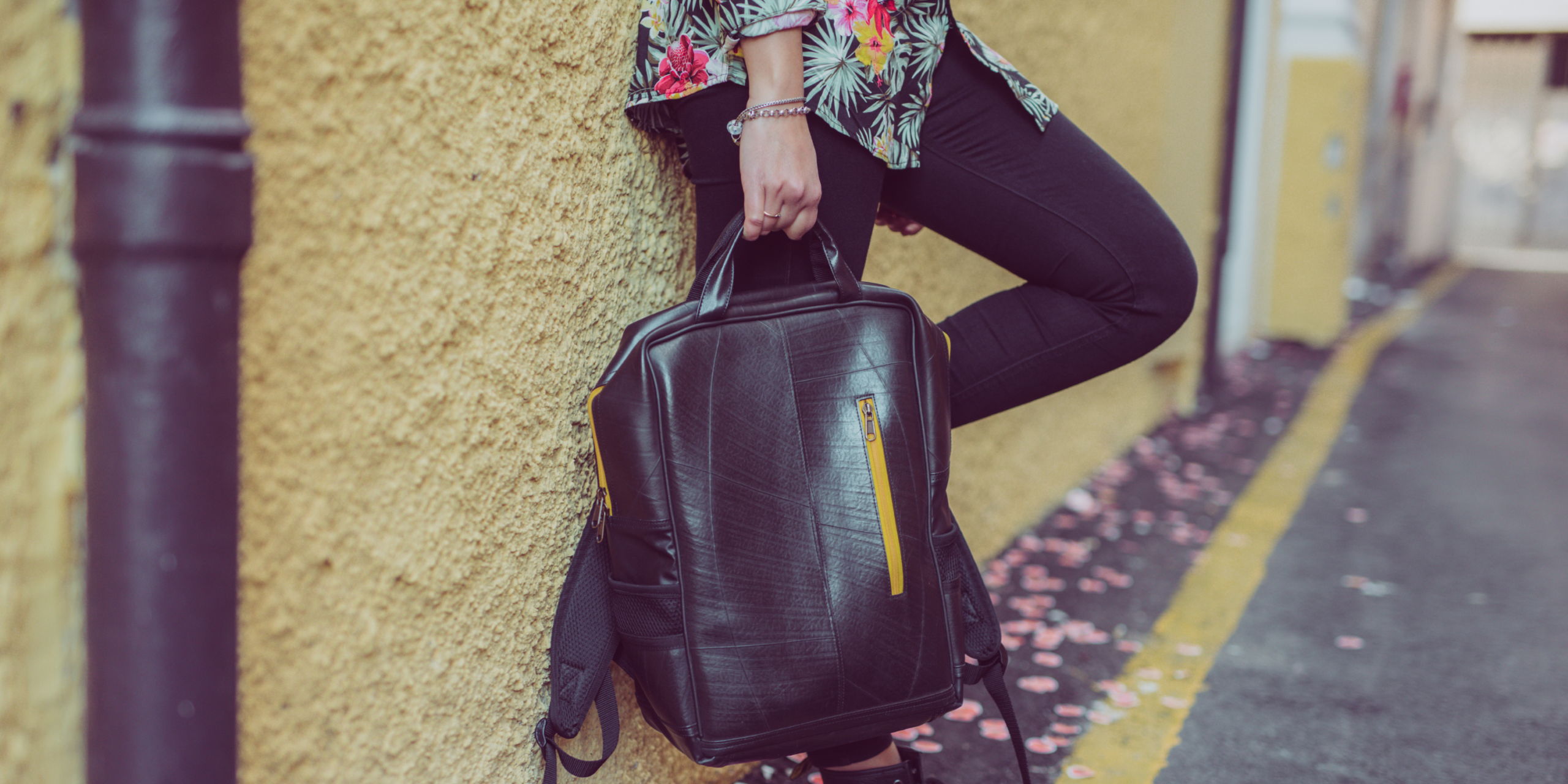
Lost in Samsara are experts in stylish, upcycled accessories, producing beautifully crafted, fair trade bags, wallets and cases from the most unsuspecting inner tubes and tyres! With Fashion Revolution Week on the horizon, and the fast fashion industry being one of the greatest threats to our planet, Lost in Samsara are this month’s BAFTS Member’s Spotlight. They inspire us with how to upcycle, reduce waste and produce fair trade accessories that everyone wants!
The Story Behind Lost in Samsara
Lost in Samsara describes itself as a social enterprise committed to building a fairer, more inclusive economy. Can you tell us the story behind the brand? What inspired you to start it, and how has your mission evolved since you launched?
Lost in Samsara started from a desire to reconnect people with the makers behind the products we buy and from the desire to expand the opportunity for customers to choose items that do good as well as look good. We wanted to contribute to a range of products that people could buy knowing they carry a deeper meaning. Our goal was to create a modern line of products that reflect positive values, support communities, and have a positive impact on the world.
As the project has evolved, the mission has expanded to include supporting environmental initiatives such as One Tree Planted, as well as focusing more on recycled and upcycled materials. But the core purpose remains the same: supporting skilled artisans from disadvantaged communities by providing fair wages, stable work, and long-term opportunities.
Joining BAFTS was a natural step for us because fair trade is central to our work.
How Upcycling Works: From Tyre to Bag
How did you land on inner tubes?! What does that process look like from waste material to finished product?
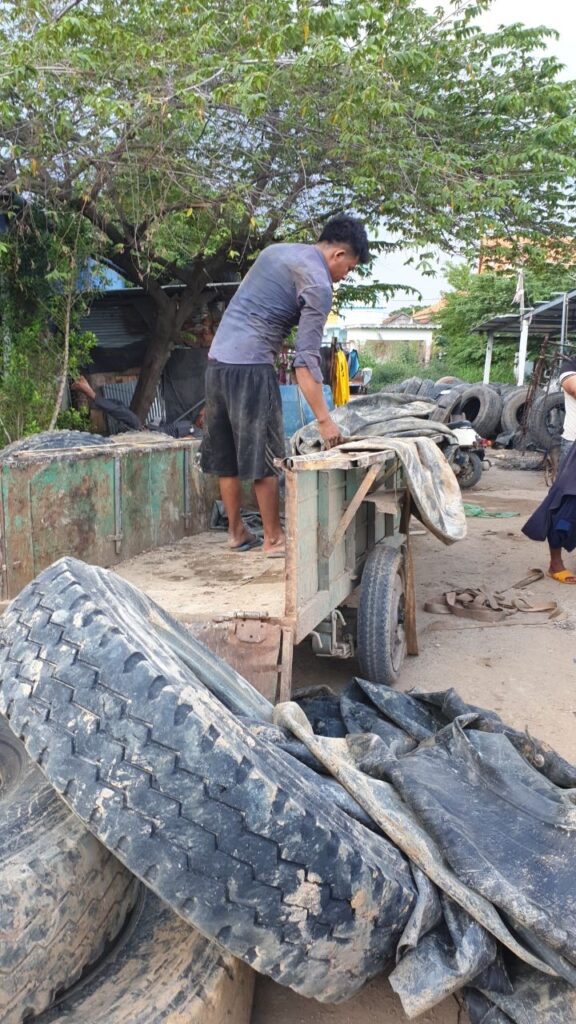
We were drawn to inner tubes because they are an incredibly durable waste material that often ends up in landfill. By upcycling them we can give this material a second life while creating something useful and long-lasting.
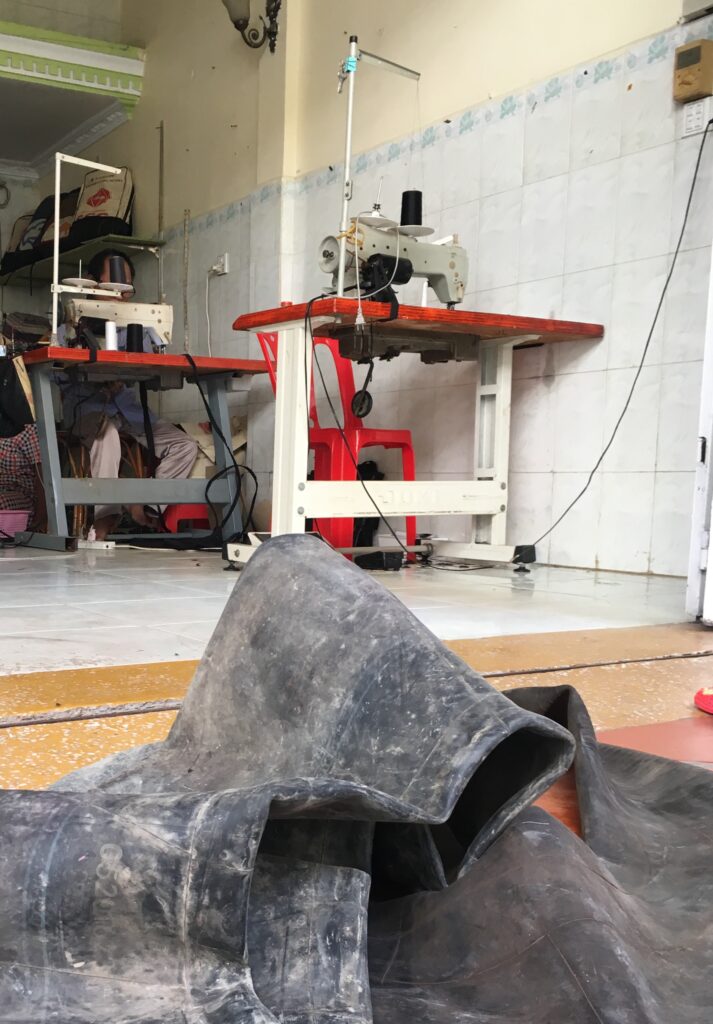
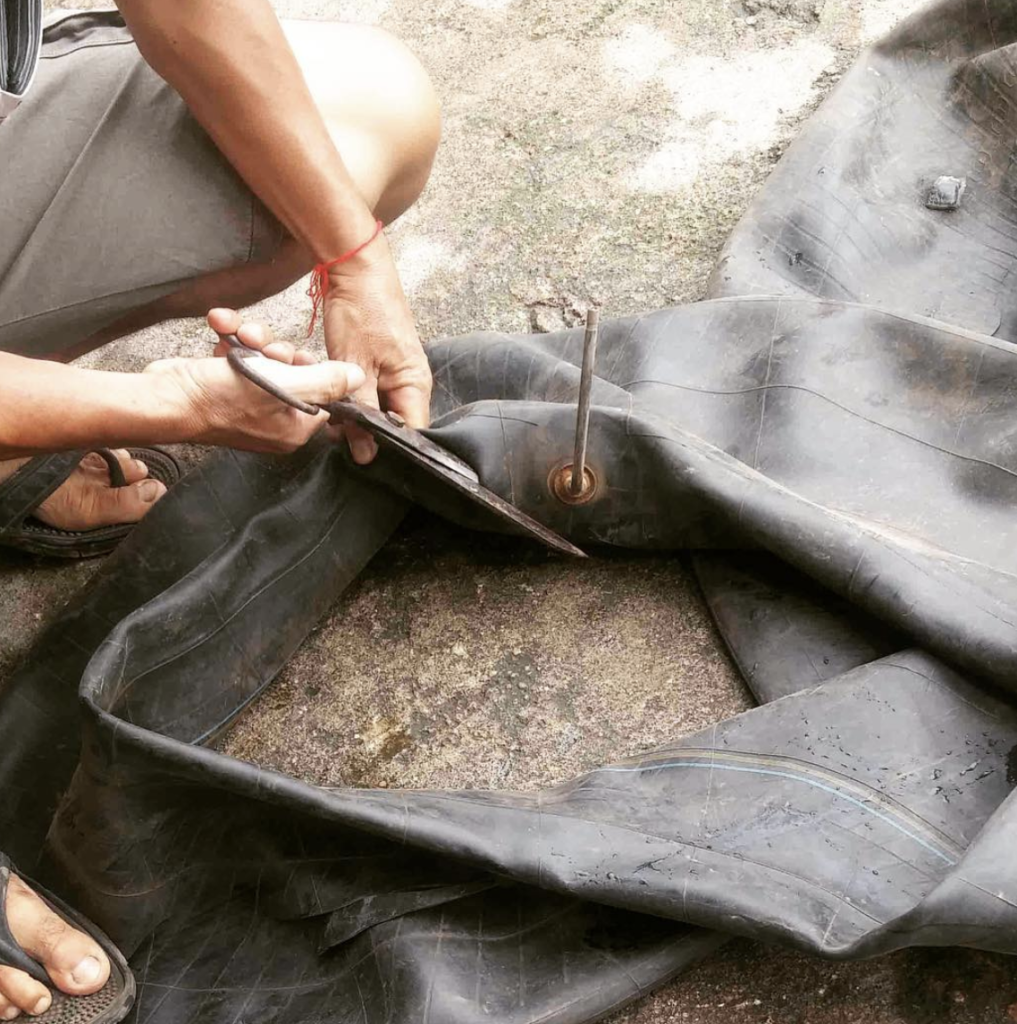
The process usually starts with collecting discarded tyre inner tubes. Our products in particular use old inner tubes from trucks. They are cleaned, cut and prepared before being shaped into different components for bags and accessories. Skilled artisans then assemble each piece by hand, combining the recycled rubber with other materials like cotton lining.
The result is a strong, water-resistant product that keeps waste out of landfill while supporting meaningful employment for artisans.
Upcycling is sometimes dismissed as a niche or difficult-to-scale solution. What would you say to brands or consumers who are sceptical about whether it can make a meaningful dent in fashion’s waste problem?
Upcycling alone won’t solve fashion’s waste problem but it is an important part of the solution. By transforming discarded materials, such as inner tubes, into durable products, we extend the life of resources that would otherwise end up in landfill. At the same time, this approach supports meaningful work for artisans.
If more brands embraced similar practices – reducing waste and designing for longevity – the collective impact could be significant. It is true that it is not scalable but we could see more small collections instead of mass-producing identical items. Upcycling can inspire a more conscious approach to design and production. By encouraging smaller, thoughtfully made collections and one-of-a-kind pieces, upcycling also helps shift consumer mindsets towards valuing uniqueness, craftsmanship, and sustainability.
Fashion Revolution Week: a natural alliance
Fashion Revolution Week 2026 is coming up soon and is centred on the idea that “conscious fashion is a collective mission.” How does that resonate with the way Lost in Samsara operates?
For us, conscious fashion has always been collective. No brand can create change alone. Our work depends on collaboration with artisan communities, fair trade organisations, environmental partners and conscious customers. Each group plays a role in building a more responsible fashion system.
Collective responsibility means recognising that everyone in the supply chain matters – from the artisan making the product, to the brand designing it, to the person choosing to buy it.
Transparency is at the heart of Fashion Revolution’s “Who Made My Clothes?” campaign. How does Lost in Samsara ensure transparency across its supply chain?
Transparency starts with knowing exactly who makes our products.
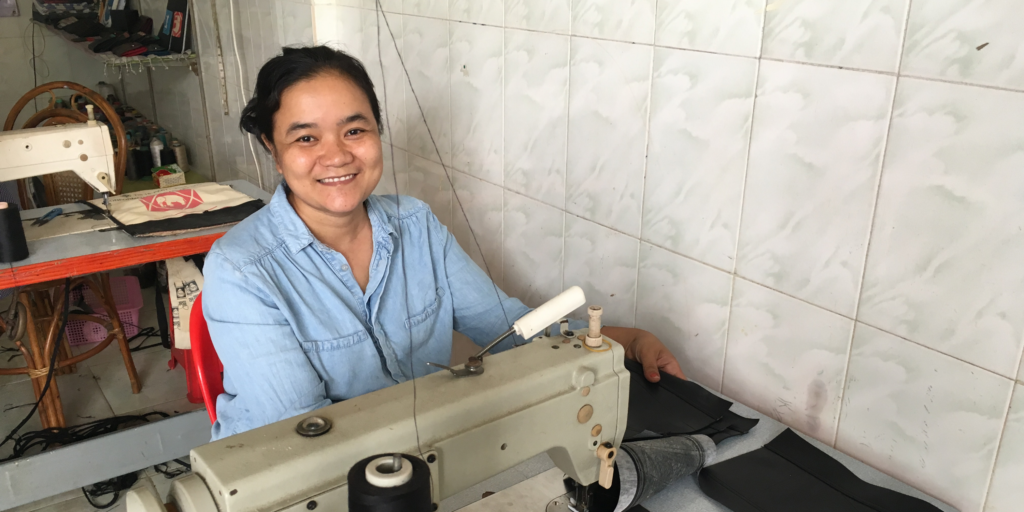
We work with a small group of artisans in Cambodia and have visited them to understand how they operate. This partner primarily employs people affected by landmines and polio, while also working with individuals from disadvantaged backgrounds who often struggle to find stable employment. Some artisans work in a small workshop and some are home based.
We also openly share information about the project we collaborate with so customers can understand the impact behind each product. What we wish more consumers asked is simply: “Who made this?”. When people ask that question, it encourages brands to be accountable.
What are the most practical things your customers can do – beyond buying from brands like yours – to push the fashion industry in the right direction?
Customers have more influence than they sometimes realise. A few simple things can make a difference:
- Ask brands who made the product and how it was produced.
- Choose fewer, better-made items that last longer.
- Support businesses that prioritise fair trade and transparency.
- Repair, reuse and recycle products whenever possible.
These choices help shift demand toward more responsible production.
Fair Trade Partnerships and the Future
Your jewellery and accessories are made by artisans from underprivileged backgrounds. Can you tell us more about your relationship with the artisans you work with? How do you ensure fair pay and good working conditions throughout?
Since 2015, we have worked with the same small group of artisans and built strong, long-term relationshipswith them. They are part of the Artisans’ Association of Cambodia (AAC) which is a fair trade association providing commercial and capacity building services to social enterprises that work closely with disadvantaged people. Our design process is very collaborative, and we rely on their skills and experience when developing new products. Their craftsmanship is exceptional, and they play an important role in shaping our ideas and turning them into the finished pieces people see.
We have also visited the workshops several times, so we have a clear understanding of how they work and the conditions they operate in. This close relationship helps us ensure the work remains fair, transparent and respectful of the artisans’ skills and livelihoods.
What’s next for Lost in Samsara?
Our focus moving forward is to deepen the impact of what we already do. That means continuing to work with our partner organisation, exploring more recycled materials and designing products that are durable and useful.
We are also interested in expanding collaborations with maker communities and continuing to develop products that combine good design with social and environmental responsibility.
For us, growth is not just about selling more products – it’s about strengthening the positive impact behind each one.
Find out more about being a BAFTS member here.
Is this for BAFTS members info only?